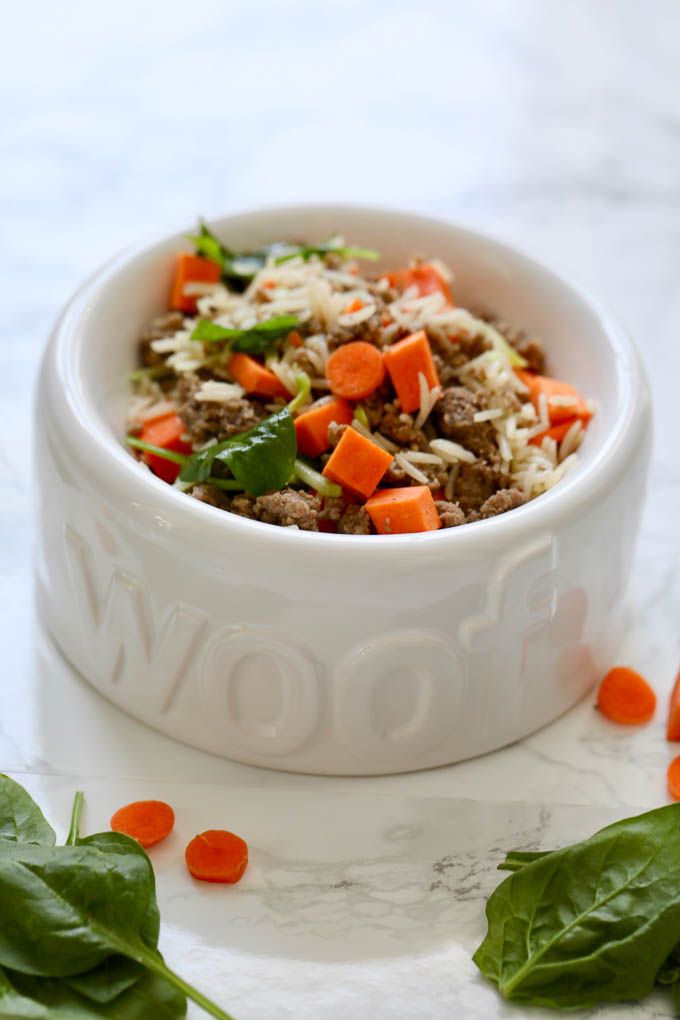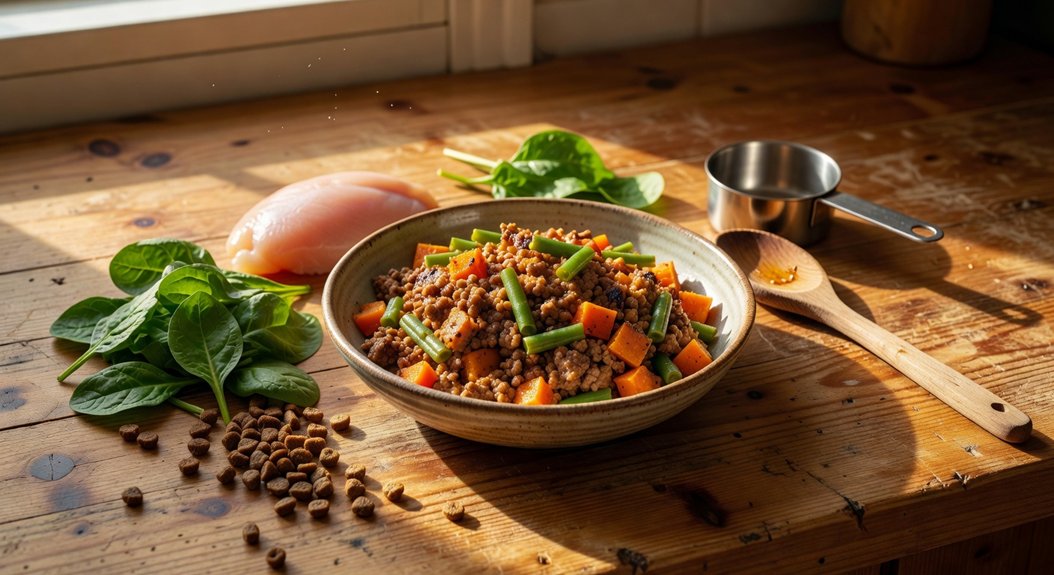

You can give your dog real nutrition by preparing homemade meals with ingredients you control. Skip the fillers and synthetic preservatives found in commercial kibble. Focus on balanced meals with quality protein, healthy fats, and whole grains. Include essential nutrients like calcium, omega-3 fatty acids, and taurine for strong bones, healthy skin, and a powerful heart. Proper preparation and storage keep your pup safe. Though homemade feeding takes effort, the health benefits are worth it—discover exactly how to do it right.
Quick Overview
- Homemade dog food allows ingredient control, avoiding fillers and synthetic preservatives found in commercial kibble.
- Proper nutrient balance requires 40% protein, 30% fat, 30% carbohydrates, plus calcium-to-phosphorus ratios of 1.2:1.
- Essential nutrients include omega-3 fatty acids, taurine, vitamin D, vitamin E, and balanced calcium-phosphorus levels.
- Cook poultry to 75°C, beef to 63°C, refrigerate at 4°C for three to four days maximum.
- Transition gradually over ten days while consulting your veterinarian; over 95% of online recipes lack proper nutrition.
Why Homemade Dog Food Beats Commercial Kibble
When you choose to make your dog’s food at home, you’re stepping into a world where you control every single ingredient that goes into your pet’s bowl. Unlike commercial kibble filled with unknown fillers and synthetic preservatives, you select human-grade meats, fresh vegetables, and quality organs. You’ll eliminate artificial colors, flavors, and harmful additives like BHA and BHT that manufacturers use for shelf-life extension. Your dog benefits from cooking methods that preserve natural enzymes and nutrients, improving digestion and nutrient absorption. You can customize protein levels, calcium-to-phosphorus ratios, and omega fatty acids specifically for your dog’s breed and health needs. However, research shows that only 6% of homemade dog diet recipes analyzed were nutritionally complete according to established standards, highlighting the importance of careful formulation. Plus, you’ll reduce your household’s environmental impact while potentially saving money through bulk purchasing and repurposing food scraps.
Building Balanced Meals: Protein, Fat, and Carbs
Now that you’re taking charge of your dog’s nutrition, you’ll need to understand how to combine the right amounts of protein, fat, and carbohydrates to create meals that’ll keep your pup thriving. Aim for a balanced approach: 40% protein, 30% fat, and 30% carbohydrates by caloric contribution. This foundation supports your dog’s energy, muscle development, and overall health.
Animal-based proteins like chicken and fish provide the essential amino acids your dog needs. Quality fats, especially omega-3 and omega-6 fatty acids, maintain healthy skin and joints. Remember that protein quality matters more than simply maximizing the protein percentage, as overly high protein levels can sometimes cause digestive issues rather than improve outcomes. Complex carbohydrates from whole grains and sweet potatoes offer steady energy without blood sugar spikes.
Essential Nutrients Your Dog Can’t Live Without
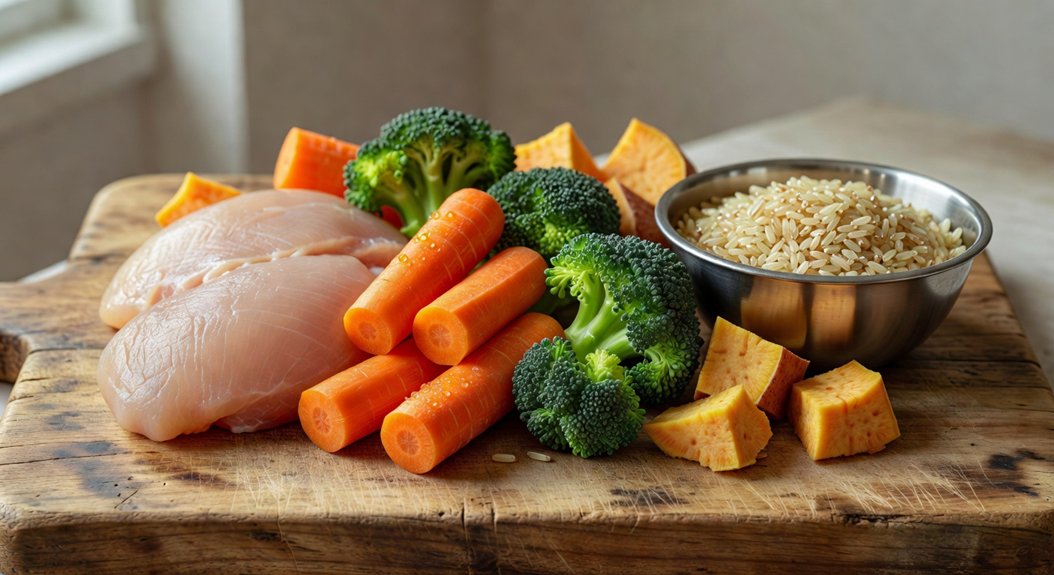
Beyond the basic building blocks of protein, fat, and carbs, your dog’s body relies on specific nutrients that you can’t skip—and getting these right truly matters for their long-term health and happiness. Calcium and phosphorus work together to build strong bones, so you’ll want to maintain that ideal 1.2:1 ratio. Vitamin D helps your dog absorb calcium properly, while omega-3 fatty acids support their skin, coat, and joints. Vitamin E protects their cells from damage, and taurine keeps their heart beating strong. These nutrients aren’t luxuries—they’re essentials. Without adding a proper calcium source, homemade diets containing only meat can develop dangerous nutritional imbalances over time. When you understand what your dog needs, you’re setting them up for a vibrant, energetic life full of tail wags and joyful moments.
Safe Preparation and Storage for Homemade Recipes
Since you’re taking on the rewarding responsibility of preparing homemade meals for your dog, keeping everything clean and safe is absolutely crucial—and it’s easier than you might think.
Start by washing your hands, utensils, and surfaces with hot, soapy water before and after preparation. Use fresh, high-quality ingredients, and trim excess fat and bones from meat and poultry to reduce harmful bacteria. Always cook proteins to the proper internal temperature: poultry to 75°C (165°F) and beef to 63°C (145°F).
Cool cooked meals to room temperature within two hours, then store them in airtight glass containers in your fridge’s coldest section at 4°C (40°F) or below. You can safely refrigerate meals for three to four days. For longer storage, freeze portions in individual servings at –18°C (0°F) for two to three months, thawing overnight in the refrigerator before serving. Labeling containers with dates helps you track freshness and avoid feeding expired food to your dog.
Common Mistakes That Compromise Your Dog’s Health
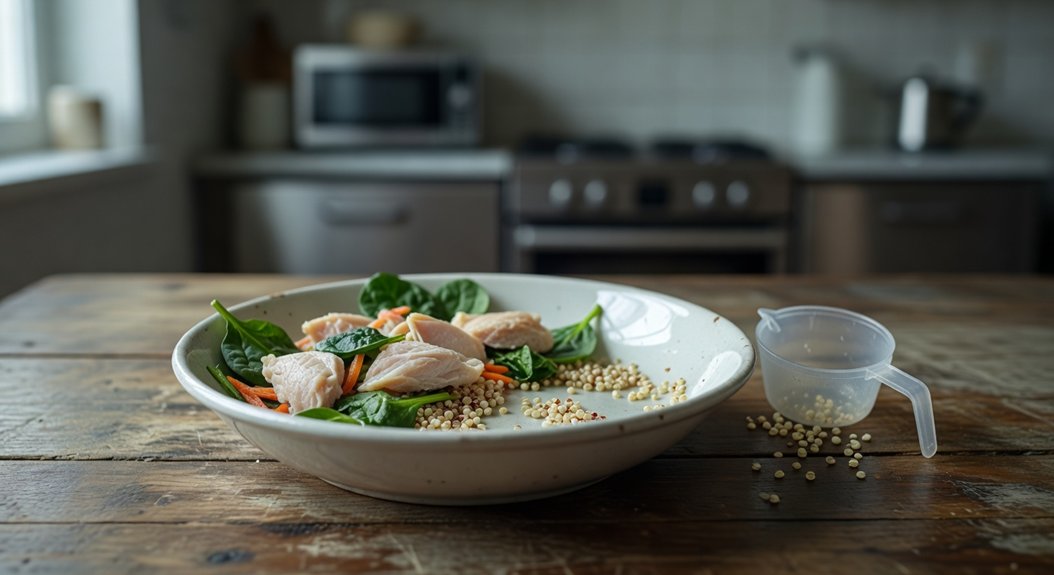
While you’ve learned how to keep your homemade dog food safe during preparation and storage, there’s another critical layer to protecting your pup’s health—knowing which common mistakes can quietly undermine all your careful work. Many homemade recipes lack essential nutrients like calcium, taurine, and omega-3 fatty acids, which your dog needs for strong bones, a healthy heart, and a shiny coat. You might accidentally include toxic ingredients like onions, garlic, or grapes without realizing the danger. Portion sizes often exceed your dog’s actual needs, leading to unwanted weight gain and health complications. Without professional guidance from a veterinary nutritionist, your well-intentioned meals may fail to meet your dog’s nutritional requirements. Over 95% of homemade dog food recipes circulating online fail to meet minimum nutritional standards, making expert consultation essential for safety. Consulting an expert helps ensure your homemade diet truly supports your dog’s wellbeing.
Transitioning Your Dog to a Homemade Diet
Making the switch to homemade meals is an exciting step toward taking control of your dog’s nutrition, and doing it the right way sets your pup up for success. You’ll introduce the new food gradually over ten days, starting with just 25% homemade mixed with 75% current kibble. Each three-day phase increases the homemade portion while decreasing kibble, giving your dog’s digestive system time to adjust smoothly.
During this changeover, you’ll watch for changes in stool consistency, appetite, and energy levels. Adding probiotics supports healthy digestion, while monitoring these indicators assures you catch any issues early. Before beginning the transition, consult your veterinarian to assess your dog’s specific nutritional needs based on age, weight, breed, and any health conditions. By day ten, if everything looks great, you can move to 100% homemade meals. This patient approach prevents digestive upset and ensures your dog thrives on their new diet.
Frequently Asked Questions
How Much Homemade Dog Food Should I Feed My Dog Daily Based on Weight?
Your dog’s daily portions depend on their weight and life stage. Adult dogs typically need 2-3% of their body weight daily, split between two meals. A 20-pound dog requires roughly 450 calories (about 1½ cups), while an 80-pound dog needs around 1,350 calories (approximately 4½ cups). Puppies eat more—5-10% of body weight across three to four meals. You’ll want to monitor your pup’s body condition weekly, adjusting portions up or down by 5% as needed.
Can I Use Human-Grade Ingredients From My Local Grocery Store for Dog Meals?
Yes, you can use human-grade grocery store ingredients, but you’ll need careful planning. You must confirm proper nutrient balance—lean meats alone won’t provide everything your dog needs. Consider adding supplements like calcium and vitamins, and consult a veterinary nutritionist before starting. Cook thoroughly to reduce pathogen risks, store meals properly at cold temperatures, and monitor your dog’s health with regular vet checkups to catch any deficiencies early.
What Veterinary Tests Should My Dog Have Before Switching to Homemade Food?
Before switching your dog to homemade food, you’ll want baseline bloodwork including a complete blood count, chemistry panel, and thyroid screening. Your vet should also check nutrient levels like calcium, phosphorus, zinc, and vitamin D. A urinalysis helps assess kidney health, while skin and digestive exams establish your dog’s current condition. These tests create a healthy baseline for comparison.
Are There Breed-Specific Nutritional Requirements I Should Consider When Meal Planning?
Absolutely—your dog’s breed meaningfully shapes their nutritional needs. Small breeds require higher protein percentages (30–35%) to fuel their fast metabolism, while giant breeds thrive on moderate protein (20–25%) to prevent growth complications. Large breeds particularly benefit from balanced calcium-to-phosphorus ratios and glucosamine for joint health. Working breeds demand extra protein and calories for endurance. Consider your dog’s specific breed tendencies, age, and activity level when planning meals to guarantee best health.
How Do I Know if My Dog’s Homemade Diet Is Nutritionally Complete Long-Term?
Your dog’s diet is like a bridge you’re building—you need consistent checkpoints to make sure it’s solid. Track your pup’s weight each month, observe their coat’s shine, and watch their stool quality. Get quarterly blood work checking calcium, phosphorus, vitamin D, and zinc levels. Use AAFCO-validated software for recipe calculations, incorporate a complete nutrient supplement, and schedule veterinary nutritionist reviews. These steps confirm you’re nourishing your companion properly.
References
- https://petsrgreat.com/ultimate-guide-to-making-balanced-homemade-dog-food/
- https://flavor365.com/making-dog-food-at-home-a-complete-how-to-guide/
- https://www.houndsy.com/blogs/modern-tails/how-to-make-a-well-balanced-homemade-dog-food-a-comprehensive-guide-for-pet-owners
- https://www.pawdarling.com/blog/make-vet-approved-homemade-dog-food-a-complete-recipe-guide/
- https://todaysveterinarybusiness.com/homemade-dog-food-study-120825/
- https://www.nutritioninsight.com/news/dog-food-pet-nutrition-kibble-veterinary.html
- https://www.houndsy.com/blogs/modern-tails/is-homemade-dog-food-better-than-commercial
- https://caringforoldpets.com/is-homemade-dog-food-healthier-than-commercial-diets/
- https://happydogfood.com/blogs/news/balance-homemade-dog-food
- https://smalldogguides.com/what-is-the-correct-ratio-for-homemade-dog-food/